
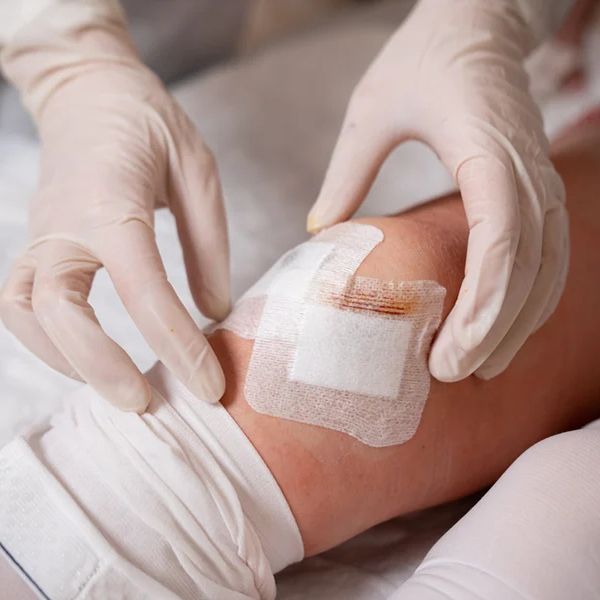
A bandage from the drugstore works fine for a minor cut. But for surgical incisions, pressure injuries, or diabetic wounds, the difference between proper skilled nursing care and DIY management can mean the difference between healing and a serious infection.
1. The wound isn’t closing as expected
If a surgical wound or pressure injury isn’t showing signs of healing within the timeframe your doctor described, that’s a signal for a skilled assessment — not a wait-and-see approach.
2. There’s increased redness, warmth, or swelling around the site
These are early signs of infection. A skilled nurse can assess the wound, document changes, and communicate with your physician before an infection requires hospitalization.
3. The wound has drainage or an unusual odor
Any change in drainage color or a new odor warrants clinical evaluation. Nurses are trained to distinguish normal healing discharge from signs of bacterial involvement.
4. The patient has diabetes or poor circulation
Diabetic wounds and wounds on patients with vascular conditions heal differently — and poorly managed wounds can progress rapidly. Skilled nursing oversight is essential, not optional, in these cases.
5. Dressing changes require sterile technique
Some wounds require sterile — not just clean — technique to prevent contamination. This is a clinical skill, not something safely done at home without training.
Platinum’s nurses provide advanced wound care throughout Maine under physician order. Medicare-covered and private pay options available.